How to Catch Snook in Southwest Florida (Spring Guide)

Spring is one of the best times of year to catch snook in Southwest Florida. As water temperatures rise, snook become more active and begin feeding aggressively around docks, mangroves, and canal systems. Whether you're fishing early morning topwater or working bait along structure, understanding their spring patterns can dramatically increase your success.
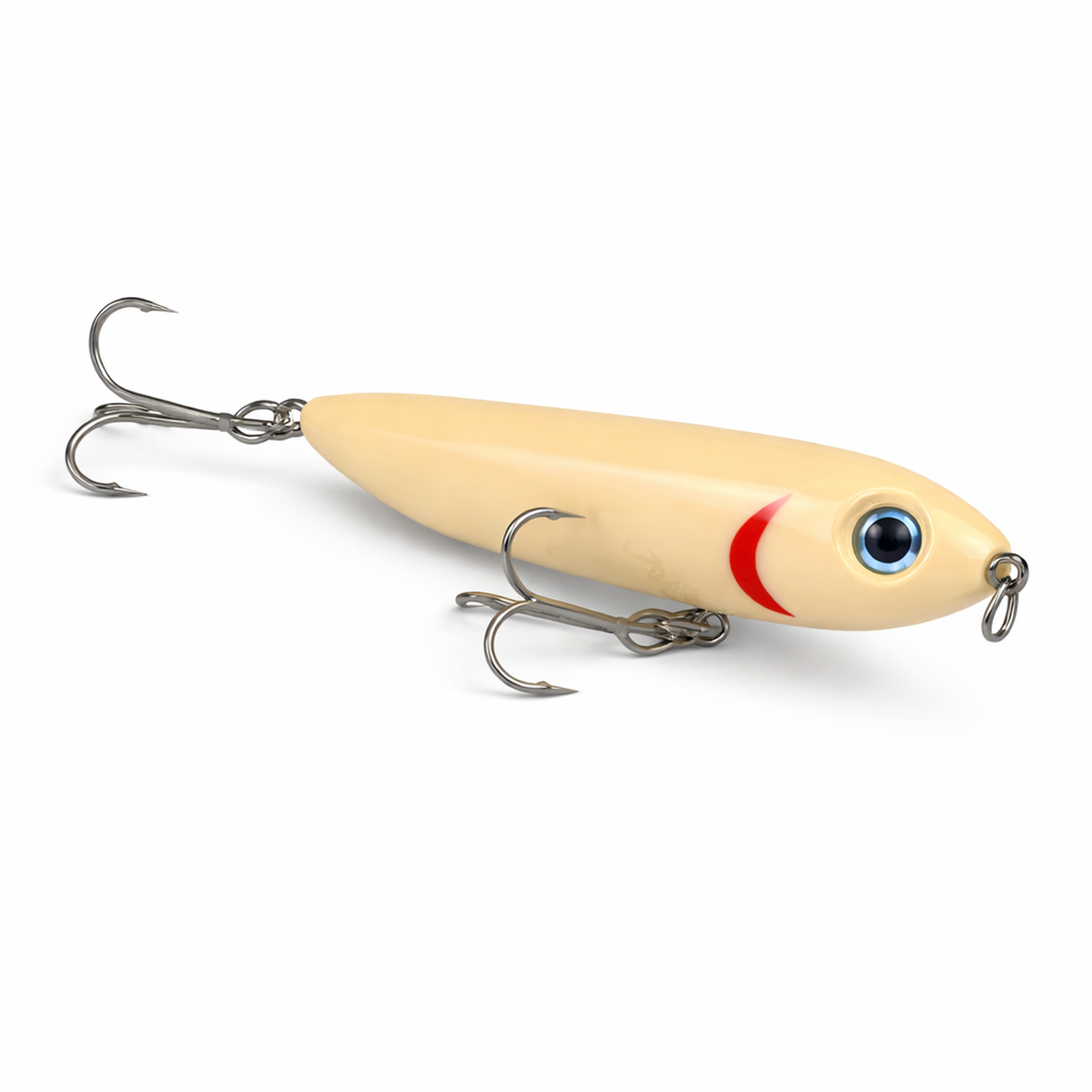
One of the most effective ways to target spring snook is using topwater lures during low light conditions. You can explore our Backwater Walkers designed specifically for inshore fishing around docks and mangroves.
Where to Find Snook in Southwest Florida During Spring
During the spring, snook begin moving out of deeper winter areas and position themselves around structure where bait is present. Docks, mangrove shorelines, canal mouths, and points with moving water are all high-percentage areas. Focus on shaded areas and current breaks where snook can ambush bait with minimal effort. Snook will often sit just inside shadow lines or tight to pilings, waiting for bait to drift within striking distance.
Best Time of Day to Catch Snook in Spring
Early morning and late evening are the most productive times to target snook in the spring. Low light conditions allow snook to feed more aggressively, especially near the surface. Moving tides are also critical, as snook rely on current to bring bait directly to them. Incoming tides can push bait into mangroves and shorelines, while outgoing tides often position fish near points and dock edges.
Best Conditions for Spring Snook Fishing
Water clarity, tide movement, and weather conditions all play a major role in snook behavior during the spring. Clean, moving water with visible bait activity is ideal. Snook tend to be more active when there is a steady current, as it allows them to conserve energy while feeding.
Wind direction can also influence where snook position along shorelines and canals. Areas that provide protection from heavy wind while still maintaining water movement are often the most productive. Paying attention to these small details can help you locate more active fish and increase your chances of success.
Best Baits and Lures for Spring Snook Fishing
Live bait such as shrimp and small baitfish are always effective for snook, especially around structure. However, artificial lures can be just as productive and allow anglers to cover more water quickly. In many cases, artificial lures trigger more aggressive reaction strikes, especially during active feeding periods.
While live bait is reliable, topwater lures offer one of the most exciting ways to catch snook during the spring when they are feeding near the surface.
Topwater Snook Fishing in Spring (Most Exciting Bite)
Topwater fishing for snook in the spring is one of the most exciting ways to fish in Southwest Florida. During early morning and late evening, snook move shallow and feed aggressively, making them highly responsive to walking-style topwater lures.
Best Topwater Lure for Spring Snook (Shop Now):

Our Backwater Walkers are designed to create a natural walking action that triggers explosive strikes from snook feeding near the surface. Ideal for fishing docks, mangroves, and shallow structure during low light conditions.
How to Fish Topwater Walkers for Snook
The key to fishing a topwater walker is mastering the walk-the-dog retrieve. This involves a steady side-to-side motion created by lightly twitching your rod tip while reeling slowly. Vary your retrieve speed depending on conditions, and add occasional pauses to trigger strikes from following fish.
Focus on casting close to structure such as dock pilings and mangrove edges where snook are likely holding. Many strikes will happen right after the lure lands or during the first few movements. A natural presentation combined with subtle movement often produces the best results.
Dock Fishing Tips for Snook in Spring
Docks are one of the best places to find snook during the spring. Look for areas with shade, current, and bait activity. Make accurate casts along the edges of docks and allow your lure or bait to move naturally with the current.
If you are fishing live bait, using the right hooks is critical for solid hooksets. You can browse our circle hooks for saltwater fishing to match your bait and target species.
When to Use Shrimp for Snook
Live shrimp is one of the most reliable baits for snook, especially when fishing around docks and canals. It can be fished naturally with the current or under a popping cork depending on conditions.
If you're looking for an artificial option, check out our Backwater Shrimp lures designed to mimic the natural movement of live bait.

Tackle Setup for Snook Fishing
A medium to medium-light spinning setup works well for most inshore snook fishing situations. A 2500–3000 size reel paired with 10–15 lb braided line and a 20–30 lb fluorocarbon leader provides a good balance of strength and sensitivity.
Keeping your setup light allows for more natural presentations, especially when fishing artificial lures around docks and mangroves.
Common Mistakes When Fishing for Snook
One of the biggest mistakes anglers make when targeting snook is fishing too aggressively. Snook are sensitive to noise and unnatural presentations, especially in shallow water. Loud casts, heavy gear, and fast retrieves can all reduce your chances of getting bites.
Another common mistake is not adjusting to conditions. Snook behavior changes based on light, tide, and water clarity, so being willing to slow down, change lures, or adjust your approach can make a big difference.
Final Tips for Catching More Snook
Snook are highly sensitive to noise and movement, so a quiet approach can make a big difference. Focus on fishing moving water, pay attention to bait activity, and adjust your presentation based on conditions. The more you match what snook are naturally feeding on, the more success you'll have.
If you're targeting snook this spring, using the right lures can make all the difference. Check out our Backwater Walkers for topwater action and explosive strikes in Southwest Florida.