How to Use Slow Pitch Jigs (Beginner to Pro Guide)
Slow pitch jigging has quickly become one of the most effective offshore fishing techniques for targeting snapper, grouper, and other reef species. Whether you're fishing ledges, wrecks, or deep structure, using the right slow pitch jigs from our ReefStrike Slow Pitch Jig Collection can dramatically increase your success on the water.
In this guide, we’ll walk through everything from basic fundamentals to more advanced techniques so you can confidently fish slow pitch jigs in real offshore conditions.
What Are Slow Pitch Jigs?
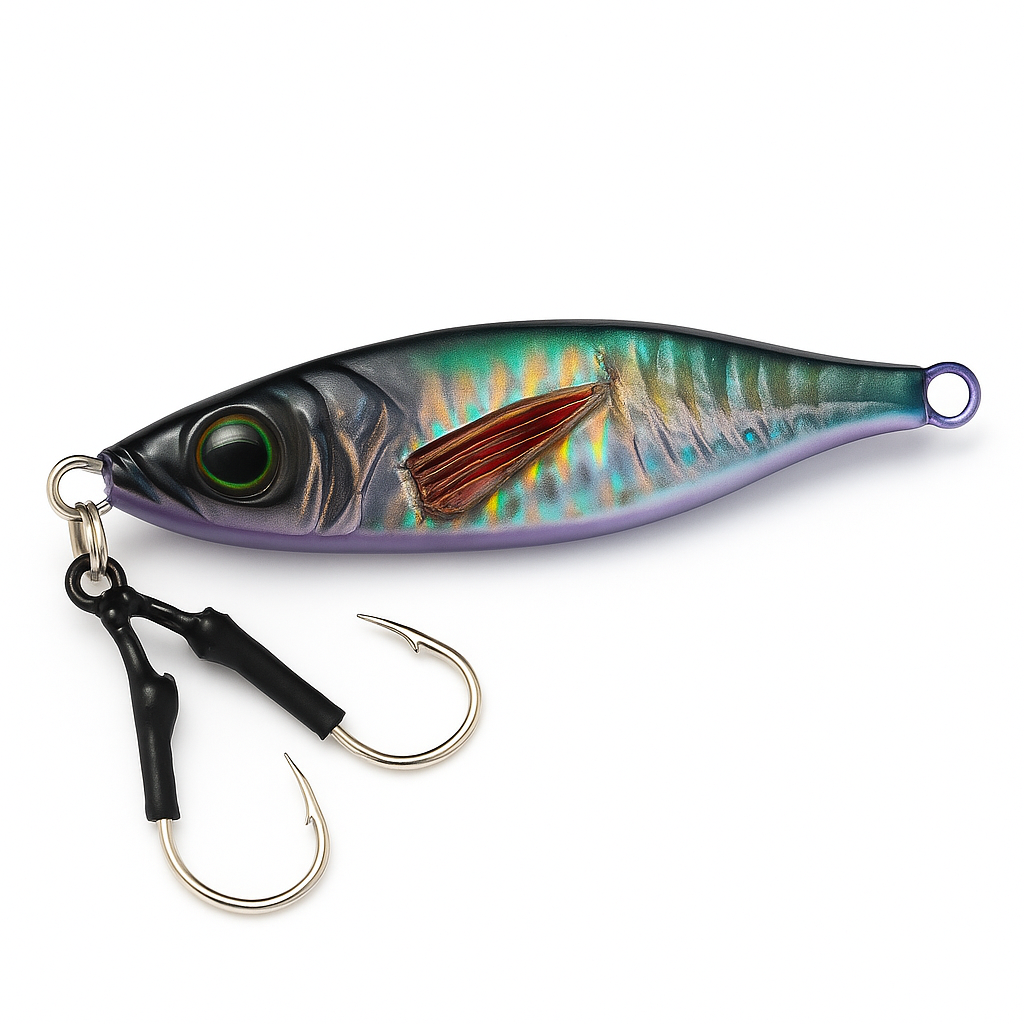
Slow pitch jigs are center-weighted metal jigs designed to mimic a dying baitfish. Instead of moving quickly through the water, they flutter and fall naturally, creating an easy target that predators can’t ignore. This subtle presentation is what makes them so effective, especially when fish are pressured or not actively feeding.
Anglers targeting snapper and grouper have increasingly turned to this technique because it keeps the lure in the strike zone longer and produces more reaction bites than traditional jigging styles. If you're looking to get started, explore our slow pitch jigs in the ReefStrike Slow Pitch Jig Collection.

When to Use Slow Pitch Jigs
Slow pitch jigging shines when fish are holding tight to structure or when live bait isn’t getting results. It’s especially effective in depths ranging from 40 to over 100 feet, where snapper and grouper tend to stage near the bottom.
In Southwest Florida waters, this technique works extremely well on red snapper, mangrove snapper, and gag grouper, particularly around reefs, wrecks, and hard bottom. Having the right slow pitch jigs for snapper and grouper can make a major difference in these conditions.
Choosing the Right Jig Weight
One of the most important parts of slow pitch jigging is selecting the correct jig weight. A simple rule of thumb most anglers follow is that 1 gram roughly equals 1 foot of depth. That means a 60g jig is typically effective around 60 feet, while an 80g jig works well in about 80 feet of water.
However, this rule isn’t absolute. Real-world conditions like current, wind, and boat drift all play a major role. As current or wind increases, your line will angle out, making it harder for the jig to stay vertical. When that happens, stepping up to a heavier jig becomes necessary.
For example, a 60g slow pitch jig (2.1 oz) is ideal for depths between 40 and 70 feet in lighter conditions, while an 80g jig (2.8 oz) is better suited for deeper water ranging from 60 to 100 feet or more, especially when fishing offshore reefs or dealing with stronger current.
If you're unsure where to start, browse our full slow pitch jig collection to see the options available.
How to Use Slow Pitch Jigs
The technique itself is simple, but mastering it takes some feel. After dropping your jig to the bottom, you’ll want to immediately engage your reel and begin working the lure upward.
The core motion involves lifting the rod slowly and then allowing the jig to fall back down on controlled slack. That fall is where most strikes happen, as the jig flutters and mimics a wounded baitfish.
Using a properly balanced slow pitch jig helps maintain that natural flutter and keeps your presentation consistent throughout the retrieve.
Rather than working the entire water column, focus your effort within the first 10 to 20 feet off the bottom where snapper and grouper are feeding.
Advanced Slow Pitch Techniques
Once you’re comfortable with the basics, you can start experimenting with different motions to trigger more bites. Small lifts can be effective when fish are pressured, while longer sweeps can trigger aggressive reactions.
Changing your rhythm or adding pauses can also make a big difference. The key is letting the jig do the work and relying on the jig’s natural action.
Why Slow Pitch Jigs Work So Well
The effectiveness of slow pitch jigging comes down to presentation. These jigs are designed to look like an easy meal—something injured and falling naturally through the water column.
Because they stay in the strike zone longer and move naturally with the current, they consistently trigger reaction bites even when fish aren’t actively feeding. This is why many anglers rely on slow pitch jigs for snapper when other techniques fail.
Common Mistakes to Avoid
Using the Wrong Jig Weight
Many anglers struggle at first because they either use the wrong jig weight or try to fish too aggressively. If your jig isn’t staying vertical, it’s likely too light for the conditions.
Ignoring the Fall
Another common mistake is not paying attention during the fall. Since most bites happen as the jig drops, watching your line and staying ready is critical.
Using the right grouper jigging lures and adjusting based on conditions will help you avoid these common issues.
Recommended Gear Setup
To get the most out of slow pitch jigging, pairing your jig with the right gear makes a big difference. A slow pitch rod with a parabolic bend allows the jig to work properly, while a quality reel and braided line help maintain sensitivity and control.
If you’re looking to dial in your setup, you can explore our full lineup of slow pitch jigs for snapper and grouper here: ReefStrike Slow Pitch Jig Collection.
Final Thoughts
Slow pitch jigging is one of the most effective ways to consistently catch snapper, grouper, and other offshore species. Once you understand how to choose the right weight and work the jig properly, it becomes a go-to technique in a wide range of conditions.
If you're ready to put this into practice, check out our full lineup of slow pitch jigs here: ReefStrike Slow Pitch Jig Collection and get started on your next trip.
Drop slow. Strike hard. Fish Outshore.