How to Catch More Snook Using Topwater Walkers
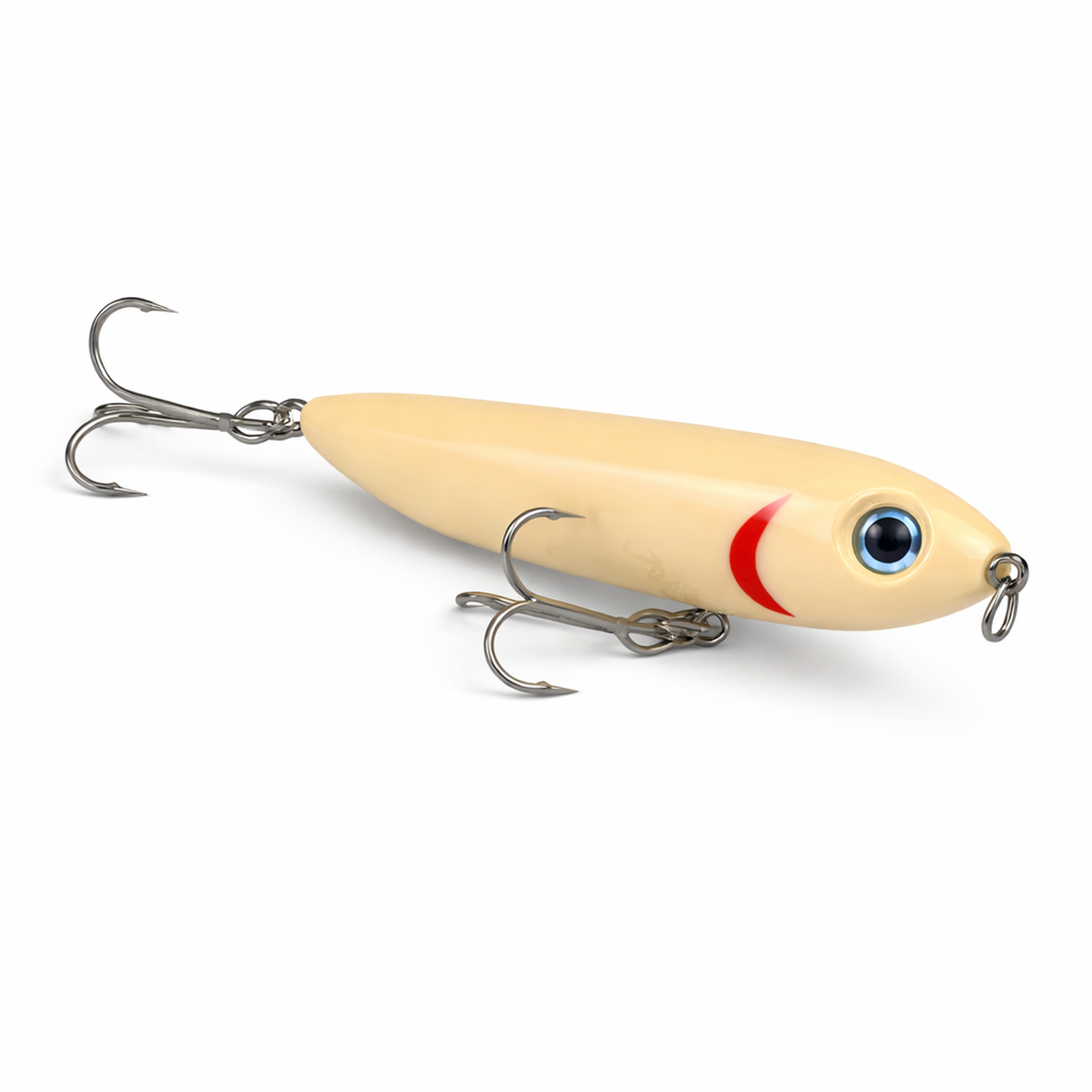
Few fishing experiences compare to watching a snook explode on a topwater lure. The strike is sudden, violent, and unforgettable. Topwater walkers, like the Outshore Gear Backwater Walker, are one of the most effective artificial lures for targeting snook in shallow water, especially during low light conditions. These lures imitate vulnerable baitfish struggling on the surface and trigger aggressive reaction strikes from snook that are actively hunting structure.
Snook are ambush predators that rely heavily on upward vision. They position themselves near seawalls, dock pilings, mangroves, and other structure where baitfish naturally concentrate. When a walking lure moves across the surface with a natural side-to-side motion, it creates vibration, surface disturbance, and visual flash that snook interpret as easy prey. Even when snook are not actively feeding, the disturbance often provokes instinctive strikes out of aggression.
 Why Topwater Walkers Are Effective for Snook
Topwater walkers create a realistic surface disturbance that closely mimics injured baitfish. This movement immediately attracts the attention of nearby snook and triggers their natural predatory instincts. Because snook feed upward and rely on ambush tactics, a lure moving across the surface becomes an easy and highly visible target.
The walking action allows anglers to keep the lure in the strike zone longer than many other lure types. This increases the chances of provoking aggressive strikes from fish holding tight to structure. Topwater strikes are often explosive, making walkers one of the most exciting and productive lure choices for snook fishing.
Best Places to Fish the Backwater Walker
Residential Canals
Residential canals provide ideal habitat for snook. Seawalls, docks, and pilings create structure that snook use for ambush points. Casting parallel to seawalls and working the lure past dock edges allows it to move naturally through high-probability strike zones. Snook often sit close to structure and react quickly when a surface lure passes within range.
Mangrove Shorelines
Mangroves offer shade, protection, and a steady supply of baitfish. Snook frequently position themselves along mangrove edges waiting for prey. Casting tight to the shoreline and retrieving the Backwater Walker along the mangrove edge can produce immediate strikes, especially during moving tides when baitfish activity increases.
Creek Mouths, Points, and Flats
Creek mouths and shallow flats become feeding zones when current is moving. Water movement funnels baitfish into predictable areas, making it easier for snook to ambush prey. Fishing these areas during early morning or evening significantly improves success, as snook move into shallower water to feed more aggressively.
Best Time of Day to Use Topwater Walkers
Low light conditions provide the best opportunity for topwater success. Early morning and late evening are prime times because snook feel more comfortable feeding near the surface. Reduced light levels give them confidence to leave structure and attack prey.
Night fishing can also be highly effective, especially around dock lights. Artificial lights attract baitfish, and snook often patrol the edges of illuminated areas waiting for easy feeding opportunities. Overcast days can extend productive topwater fishing throughout daylight hours as well.
How to Properly Work a Walking Lure
The key to fishing a topwater walker is using a steady twitching motion known as walking the dog. After casting beyond the target area, point the rod tip downward and use short, consistent twitches while slowly retrieving line. This creates the side-to-side zigzag action that imitates injured baitfish.
The Outshore Gear Backwater Walker is designed to produce this action easily, allowing anglers to maintain natural movement with minimal effort. Varying retrieve speed can help determine what fish prefer on a given day. Slower retrieves often work best in calm water, while faster retrieves can trigger reaction strikes in more aggressive fish.
If a snook strikes and misses the lure, briefly pausing the retrieve often results in a second strike. Many snook will return immediately to finish the attack.

Recommended Gear for Fishing Topwater Walkers
Using the proper gear setup improves casting distance, lure control, and hook-setting ability. A medium or medium-heavy fast-action spinning rod between seven and seven and a half feet provides excellent control. Pairing this with a 3000 to 4000 size spinning reel offers the right balance of strength and performance.
Braided line in the ten to twenty pound range provides sensitivity and allows precise lure manipulation. A fluorocarbon leader in the twenty to thirty pound range helps prevent break-offs when fishing near structure such as docks and mangroves. This combination provides the ideal setup for fishing topwater walkers effectively.
Why the Outshore Gear Backwater Walker Produces Results
The Outshore Gear Backwater Walker is specifically designed for shallow water predator fishing. Its balanced construction creates consistent walking action that attracts snook even at slower retrieve speeds. The lure casts long distances, allowing anglers to reach structure without spooking fish.
Its realistic profile and surface movement closely imitate natural baitfish found in Florida’s backwater environments. This makes it highly effective in canals, mangrove shorelines, flats, and dock systems where snook actively feed. Its durable construction ensures reliable performance in harsh saltwater conditions.
Final Tips for Catching More Snook on Topwater
Success with topwater walkers comes from fishing the right locations and using proper technique. Focus on areas with structure such as docks, seawalls, and mangroves where snook naturally position themselves. Fish during early morning, evening, or low light conditions when snook are most likely to strike surface lures.
Maintain a steady walking retrieve and remain alert, as strikes often happen suddenly. With the right approach and conditions, the Outshore Gear Backwater Walker consistently produces aggressive surface strikes and helps anglers catch more snook in real-world fishing environments.